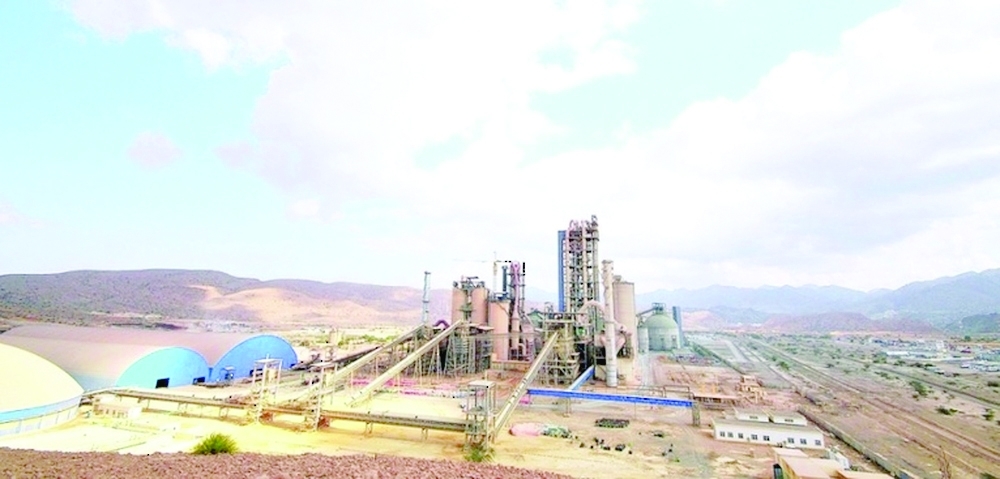
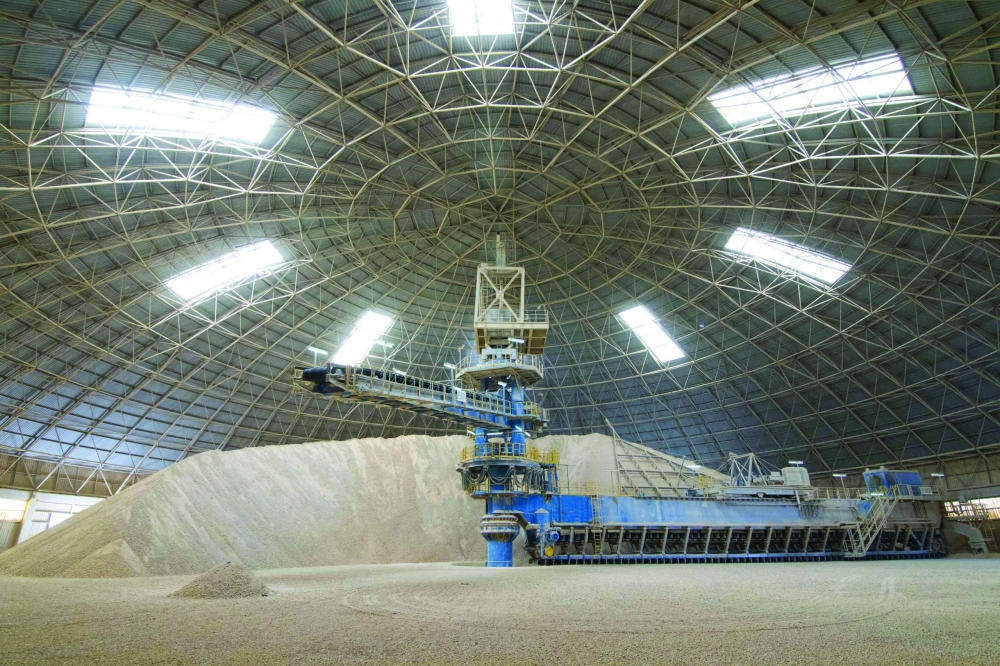





MUSCAT: Oman Cement is stepping up efforts to reduce its carbon footprint and production costs by expanding the use of alternative fuels and raw materials, as the Sultanate of Oman's leading cement producer accelerates its transition towards more sustainable manufacturing practices.
In its Board of Directors' report for the first half of 2026, the publicly listed company said it is strengthening the sourcing and utilisation of alternative fuels and raw materials to improve its Thermal Substitution Rate (TSR) - the proportion of thermal energy in its cement kilns derived from non-fossil fuel sources.
The Misfah-based manufacturer is evaluating a basket of alternative energy and feedstock options, including tyre-derived fuel (TDF), recovered carbon black and oil sludge, with the aim of reducing dependence on conventional fossil fuels, lowering raw material costs and supporting its broader decarbonisation objectives.
Tyre-derived fuel, produced from shredded end-of-life tyres, offers a calorific value comparable to coal, enabling cement kilns to substitute a portion of their traditional fuel requirements while diverting waste tyres from landfills. Recovered carbon black, typically obtained through the recycling or pyrolysis of waste tyres, can serve as both an alternative fuel and, in certain applications, a supplementary raw material, supporting greater resource efficiency.
Oil sludge, a by-product of oil production, refining and storage operations, is also being considered as an alternative kiln fuel. After appropriate treatment, its recoverable hydrocarbon content can be utilised to replace part of the fossil fuels consumed during clinker production while providing an environmentally sound disposal route for the waste.
In parallel, Oman Cement said it continues to work with government authorities and other stakeholders to advance the pre-treatment and co-processing of municipal solid waste (MSW) as an alternative fuel source. Once processed into refuse-derived fuel (RDF) or solid recovered fuel (SRF), the combustible fraction of municipal waste can substitute coal or petroleum coke in cement kilns, reducing landfill volumes while promoting a circular economy.
Collectively, these initiatives are expected to increase the company's Thermal Substitution Rate, lowering greenhouse gas emissions, improving energy efficiency and enhancing the long-term sustainability of cement production.
Beyond decarbonisation, Oman Cement is pursuing several strategic growth initiatives. Chairman Xu Gang said the company is progressing plans to establish an aggregates business by utilising surplus crushing capacity. The project is expected to diversify revenue streams through supplies to industrial customers while creating a platform for future expansion into ready-mix concrete and mortar production.
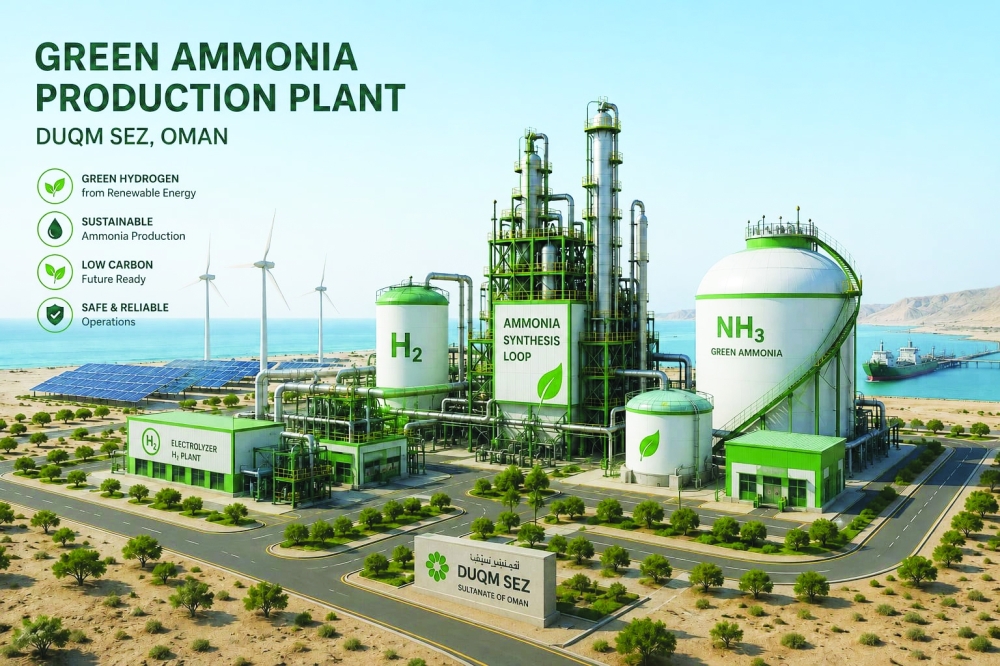
Meanwhile, a proposal remains under consideration to establish a new cement plant in Duqm with a clinker production capacity of 5,000 tonnes per day, reflecting the company's long-term growth ambitions.
The strategic initiatives coincide with a strong financial performance during the first half of 2026. Cement sales rose 7.9% year-on-year to 1.761 million tonnes, while revenue increased 14.9 per cent to RO 38.06 million, driven by higher sales volumes and improved average selling prices. Net profit climbed 41 per cent to RO 6.70 million, up from RO 4.75 million in the corresponding period of 2025.
Oman Observer is now on the WhatsApp channel. Click here